
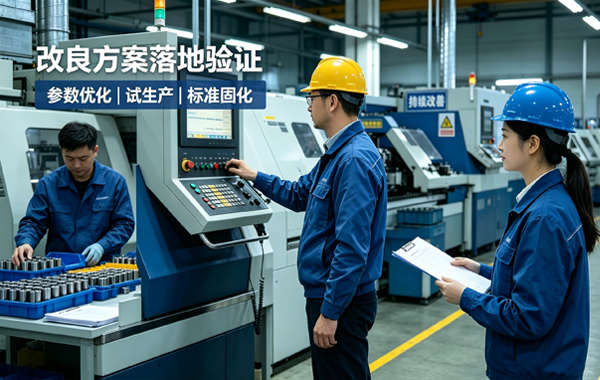
Batch defects are among the quality issues that require immediate attention in manufacturing. Once they occur, they may result in significant scrap, rework, delivery delays, customer complaints, and additional costs. When recurring defects, concentrated defects, or an abnormal increase in the defect rate is detected during production, a structured response process should be initiated immediately to contain the issue, identify its root cause, implement corrective actions, and verify their effectiveness.
A standardized closed-loop process for handling batch quality issues should include the following steps:
1. Stop Affected Production and Implement Immediate Containment: When recurring or batch-related defects are identified, the affected production process should be stopped as appropriate based on product characteristics and quality risk. Current work-in-process, completed semi-finished products, and related production batches should be clearly identified and segregated to prevent further production of nonconforming parts or accidental mixing with conforming products. The first priority is to contain the issue and define its potential scope.
2. Conduct Systematic Root Cause Analysis: Potential causes should be systematically investigated from the perspectives of personnel, equipment, materials, methods, and environment. Typical factors include machine condition and accuracy, tool wear, fixture condition, raw material batches, machining parameters, environmental conditions, and differences in operator practices. Inspection data, production records, and on-site verification should be used to eliminate unrelated factors and confirm the actual root cause or contributing factors before corrective actions are finalized.
3. Separate Temporary Containment from Long-Term Corrective Actions: Immediate containment measures should first be implemented to prevent additional nonconforming products from being produced or moving into subsequent processes. Production should only resume after the relevant production conditions have been reviewed and confirmed. Long-term corrective actions should then address the verified root causes and may include process optimization, adjustment and standardization of machining parameters, fixture improvements, or enhanced equipment and process inspections.
4. Trace and Reinspect Potentially Affected Batches: The scope of potentially affected products should be determined based on the time of occurrence, production batches, equipment, materials, and process records. The current batch and any relevant preceding or subsequent batches should be traced, reinspected, and screened as necessary. Products with potential quality risks should remain segregated until their conformity has been verified and an appropriate disposition has been determined.
5. Verify Effectiveness and Complete the Corrective Action Loop: The defect description, affected quantity or defect rate, scope of impact, root cause analysis, containment actions, corrective actions, and verification results should be properly documented. After corrective actions are implemented, their effectiveness should be verified through subsequent production data and quality inspection results. Representative cases may also be incorporated into internal quality training, while proven improvements should be reflected in relevant process documents, inspection standards, or work instructions to reduce the risk of recurrence.
Effective management of batch quality issues depends on rapid response, effective containment, accurate root cause analysis, and verification of corrective actions. A standardized closed-loop approach can significantly reduce quality risks while improving process stability and supporting continuous improvement.