
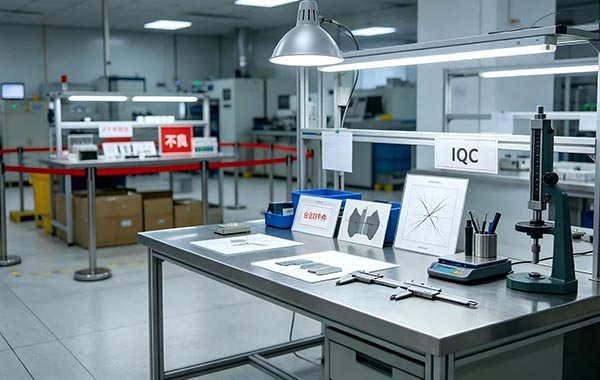
Finished product packaging is the final quality checkpoint before products are shipped to customers. Inadequate packaging protection, improper handling, or unsuitable packing methods can lead to impact damage, compression deformation, surface wear, dust and oil contamination, mixed or incorrect packing, and missing parts. These issues can directly affect final product quality and customer satisfaction.
A standardized packaging protection and quality control system should therefore be implemented throughout the entire packaging process:
- Strengthen Pre-Packaging Cleaning: All finished products must be properly cleaned before packaging to remove metal chips, dust, oil, and fingerprints. Products that have not been properly cleaned should not be packed directly. This helps prevent surface contamination, scratches, and indentations caused by foreign particles, oil, or friction between parts inside the package.
- Apply Appropriate Protection According to Product Requirements: Different protection methods should be applied according to the precision, structure, and surface requirements of the product. Mirror-finished parts, precision-machined components with critical appearance requirements, and thin-walled parts susceptible to deformation should be individually wrapped with protective film, bubble wrap, or other suitable materials. Standard structural components should be separated by partitions or individual compartments to prevent direct contact, friction, and impact between parts.
- Provide Adequate Internal Cushioning and Fixation: Appropriate cushioning materials, such as expanded polyethylene (EPE) foam, dividers, and shock-absorbing pads, should be used inside the packaging according to product characteristics. Slender shafts, small components, and parts that may move during transportation should be securely positioned and restrained to prevent displacement, collision, compression deformation, or edge damage caused by transportation shocks and vehicle vibration.
- Standardize Packing and Stacking: The quantity of products packed in each box should be strictly controlled. Overpacking, forced compression, and excessive stacking should be avoided. Packaging boxes should be securely closed and properly strapped to prevent opening, loose parts, or parts falling out during transportation. The stacking height of outer boxes should also be controlled to prevent excessive loads from deforming the lower boxes and damaging the products inside.
- Establish a Final Packaging Inspection: After packing is completed, designated personnel should perform a final inspection to verify the product model, batch, quantity, appearance, and packaging integrity. Products should only be labeled, stored, and prepared for shipment after confirming that there are no mixed or incorrect parts, missing quantities, packaging defects, or visible product damage.
Packaging quality directly reflects a company’s delivery management capabilities. Through standardized and carefully controlled packaging protection, manufacturers can effectively reduce the risk of transportation damage and packing errors, helping ensure that products reach customers in good condition.